Sedentary time
Sitting is a separate exposure from not exercising. WHO says to reduce it and declines to say by how much — which is the honest position.
mixedStudies disagree, or the mechanism is contested.Revised 14 Aug 2026
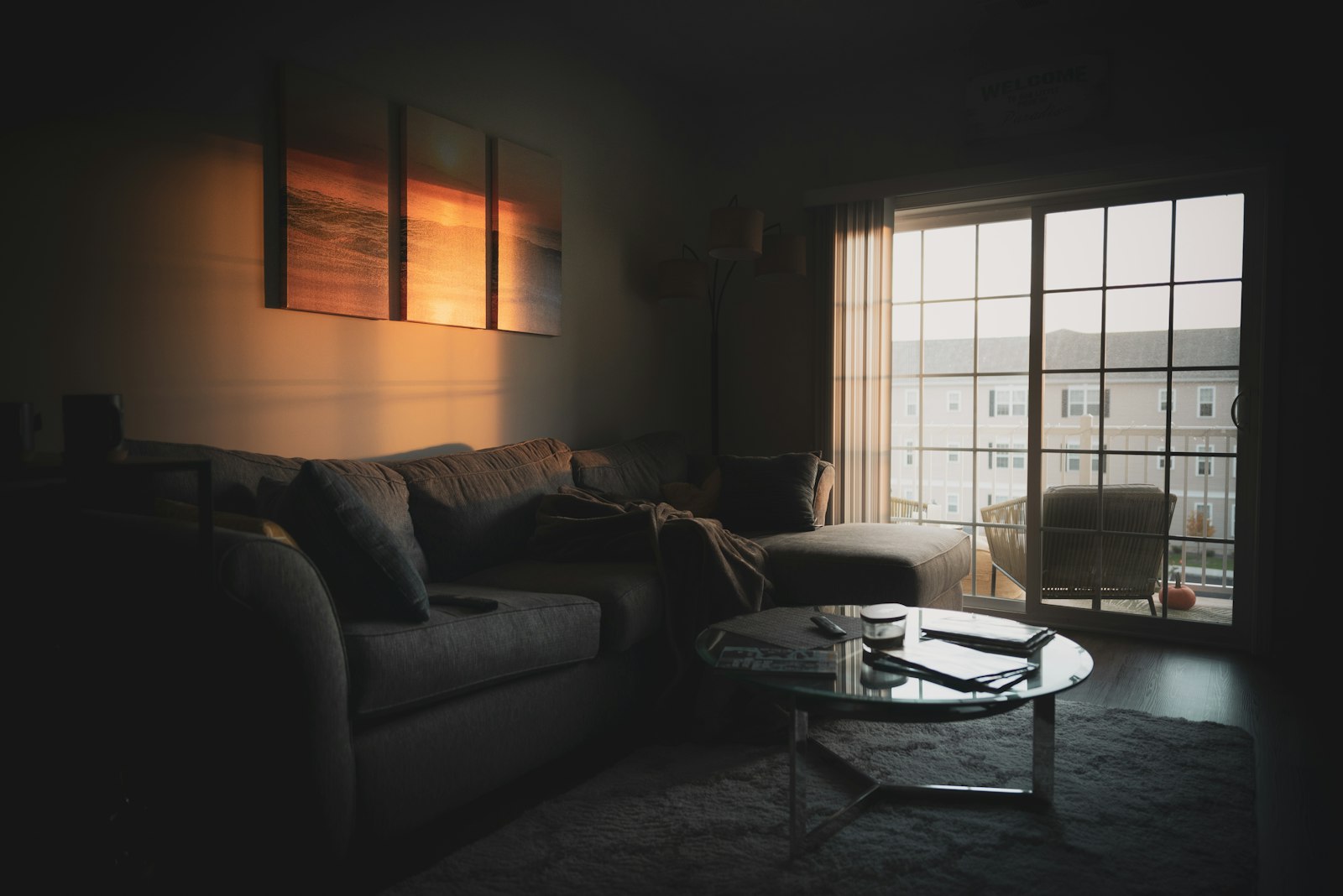
The dose that matters is uninterrupted hours, not total hours.Photograph: Christian Lambert / Unsplash
Definition
Any waking behaviour with very low energy expenditure while sitting, reclining or lying. It is not the same as physical inactivity: a person can meet the activity guidelines with an hour of exercise and still accumulate ten sedentary hours, and the two exposures appear to carry partly independent risk.
What the guidelines say
The WHO’s 2020 guidelines recommend reducing sedentary behaviour across all age groups, and explicitly state that evidence was insufficient to quantify a threshold. There is no “no more than X hours” number, because nobody has been able to justify one.
That refusal is worth respecting when you encounter a number elsewhere.
What the evidence supports
- Higher total sedentary time is associated with higher all-cause and cardiovascular mortality in large cohorts.
- The association is substantially attenuated by physical activity. In pooled analyses, people who meet activity guidelines show much weaker — in some analyses close to absent — associations between sitting time and mortality.
- Measurement is a serious problem: most cohort data is self-reported sitting time, which people estimate badly.
“Sitting is the new smoking” is not a finding. It is a slogan, and the comparison fails on effect size by an order of magnitude.
What to do
The practical version, given that no threshold exists:
- Break up long bouts. The evidence, such as it is, points more clearly at uninterrupted sitting than at the daily total. Standing or walking for a few minutes every half hour to hour is the intervention most often tested.
- Meet the activity guidelines anyway. This is the lever with the strong evidence, and it partly cancels the sitting problem.
- Treat a standing desk as ergonomics, not medicine. Standing still burns marginally more energy than sitting and has its own musculoskeletal costs. Alternating is the point; standing all day is not an improvement.
Open questions
Almost everything about dose. Whether the total or the pattern matters more; whether light activity is enough to break the association; and how much of the observed risk is reverse causation, since people who are unwell sit more. The confidence rating on this entry is mixed for good reason.